

Healthcare & Health Insurance in Ecuador
Summary: Digital Nomads in Ecuador share their experiences with health insurance, healthcare in Ecuador, local hospitals and specialists, quality of medical care and more.


What are healthcare services like in Ecuador?
When we asked expats and global nomads about the quality of medical care in Ecuador, they replied:
" We have private insurance which costs $100 per month per person with $90 deductible. Our doctor copays are $5 for office visit (general and specialty). My husband had physical therapy for $15 each visit since deductible was not met yet. Normal blood tests are about $50. Colonoscopy $150 with anesthesia. I have gone for lab tests without rx for thyroid and other issues. About $12-20 each cash pay. There are doctors who will make house calls also, probably Spanish speaking. Costs are cheap without using insurance except for discounts. Rarely use it for meds because very little require rx. Just go talk to local friendly pharmacist about your issues and they will recommend a variety of meds and give you the pros and cons of each. They will also advise when you REALLY need to go to doctor. My lab test for infection ($12) gave me a list of meds that could be used to kill that bacteria. Took lab results to pharmacy to discuss which med would be the best for me. The amount of attention that the doctors in USA are able to give has made us fairly educated medical consumers. The system here makes it easy and cheap to get care," wrote one digital nomad living in Ecuador.
 PassportCard Expat Health Insurance
Get Quote
Never worry about paying your medical bills out of pocket again. The innovative PassportCard allows for a stress-free experience for all expat families, remote travelers, and workers. With a 24/7 customer service and an outstanding customer base of over 2 Million clients, it will feel like medical care at home. Get up to 10% off on your policy now.
PassportCard Expat Health InsuranceNever worry about paying your medical bills out of pocket again. The innovative PassportCard allows for a stress-free experience for all expat families, remote travelers, and workers. With a 24/7 customer service and an outstanding customer base of over 2 Million clients, it will feel like medical care at home. Get up to 10% off on your policy now.
Get Quote
What is the quality of medical care in Ecuador like?
When we asked expats and global nomads about the quality of medical care in Ecuador, they replied:
"Surprised by the ease in getting doctor's appointments and the speed at which patients are processed - much less waiting time than in the States. No wasted or unnecessary medications or treatments. Doctors and nurses here are for the patients not for profit," explained one digital nomad living in Machala, Ecuador.
"Medical services in Ecuador are generally of a good standard, with a wide range of public and private hospitals and clinics available. The public health system is free for Ecuadorian citizens, and there are also a number of private health insurance plans available. The country has a number of highly trained doctors and specialists, and the quality of care is generally good. Ecuador also has a number of specialized medical centers, such as cancer treatment centers, and a number of medical research centers," said one member in Ecuador.
"Note that you will not find current US style healthcare in most areas outside of large cities, it is more like 1980s. Good, adequate, not fantastic. Fine for daily stuff, maybe not good for you if you have some more complicated medical issues. My guess would be a beach town near a large city where you can go for more advanced healthcare. Larger cities will also be more likely to have English speaking doctors and dentists," explained one expat in Ecuador.

Never worry about paying your medical bills out of pocket again. The innovative PassportCard allows for a stress-free experience for all expat families, remote travelers, and workers. With a 24/7 customer service and an outstanding customer base of over 2 Million clients, it will feel like medical care at home. Get up to 10% off on your policy now.
Never worry about paying your medical bills out of pocket again. The innovative PassportCard allows for a stress-free experience for all expat families, remote travelers, and workers. With a 24/7 customer service and an outstanding customer base of over 2 Million clients, it will feel like medical care at home. Get up to 10% off on your policy now.
Are healthcare and health insurance expensive in Ecuador?
"So far we have been paying out of pocket for our medical needs. I just received my Visa last week. We do now have private health insurance for about $100 a month total for both of us. It doesn't really cover much but we were told it was needed in order to get our Cedulas. After we get the Cedulas, we can opt out of the private ins if we want. We are going to keep it and also enroll in the public health insurance for the bigger stuff. I believe it is about $90 a month each. Like I said, now we have been paying out of pocket for medical stuff. You can have a doctor come to your house, yes, a house call, for about $20. Medication is way cheaper here than in the states. No prescriptions are needed for most medications. Some common OTC medications in the States can be hard to find here," remarked one member in Crucita.
"We didn't use our U.S. insurance because the deductibles would have been more than what we paid for care in Cuenca," explained one expat living in Cuenca, Ecuador.
"The cost of average minor surgery is about $1500-$2000, The office visit range from $25 - $40. I have private insurance that has large network of providers with most private hospitals. Four hospitals are in the network in the city near me. I chose my insurance based on price and positive reviews from people who have used it," said one digital nomad in Loja.
"The cost of medical care if much cheaper than the United States. I had back surgery for $8,000 and I only had to pay $1,000 deductible," commented a person living in Quito, Ecuador.
"I have chosen to keep both my US Medicare supplemental and also IESS public insurance here in Ecuador. As you may know the local healthcare here has been experiencing EXTREME financial difficulties so I haven't been so quick to drop my Medicare in the US. I am three years out of cancer and just don't want to take a chance yet in depending on soley on IESS. I've unfortunately watched it fail horribly for some friends. At least with both, I know that I can always return to the US if I need advanced healthcare. If you do plan on dropping it, it's one of those things that needs to be done from the US so something to keep in mind. For me the price is worth the piece of mind to keep both and it's honestly about the same price of getting private insurance here. I pay $170 supplemental in US and $78 here for IESS. Private insurance because of my pre-exisiting here was quoted at $350. Hope that helps! Just my experience," explained one digital nomad living in Malacatos, Ecuador.
What are emergency services like in Ecuador?
When we asked about emergency services, members in Ecuador wrote:
"Emergency services in Ecuador are generally reliable and efficient. In the event of an emergency, you can call 911 to request an ambulance. The emergency services personnel are trained to respond quickly and provide medical assistance. Additionally, the Ecuadorian government has implemented a system of emergency medical centers throughout the country to provide medical care in the event of an emergency," said one foreigner in Ecuador.
"My experience was with Santa Ines near Centro. Full hospital and emergency services. Great quality of care," remarked one member in Cuenca.
Will I need to travel to see a specialist?
"Guayaquil Cuenca and Quito are world class centers for cardiology and oncology. Specialists: Quito also has an English speaking psychiatrist on staff at Metropolitano. Cuenca has a world reknown plastic reconstruction surgeon Dr. Pablo Salamae. Dr. Salamae provides his skills free of charge for life altering surgery to the children of Ecuador. Cuenca also has an English speaking Multiple Sclerosis specialist, Dr. Piedra. Guayaquil has excellent cardiologists at the Kennedy Norte area," explained one person living in Montanita, Ecuador.
"I am young and in good health so these don't concern me. I only have insurance because the law requires it," wrote one digital nomad living in Cuenca, Ecuador.
"I have gone to a specialist in Quito for back surgery. I had two surgeons for my back surgery. They were great. The language barrier can be the only issue but I had help from friends," said one foreigner in Quito.
"I have been able to find providers for all health issues here in Cuenca and all have been of good quality and excellent availability," remarked one member in Cuenca.
"We do most of our doctor's visits in Otavalo, or Ibarra depending on the availability of specialists. The system for booking appointments needs work but it's getting better. I've been seen by probably ten different general practitioners and both my wife and I have settled on a couple that we feel very confident with. With a bit of luck and an occasional wait we manage to book appointments with doctors of our choice, though the others would certainly be fine in a pinch. Appointments are usually within a few days of the date when I first did the search. They are very proactive with profalactics, booking a full blood, urine and feces panel twice a year. A yearly EKG. I had a lung issue during the pandemic and had three different chest x-rays with no wait. An ongoing uncomfortable but not disabling knee issue led to an x-ray and a visit to the orthopod within a week or so. My wife gets annual pap smears and mammograms and is regularly seen by her gynecologist, who also a doctor we both feel very sure of. I do have northern=transplant friends who have had major surgeries and they all feel they got excellent care," explained one expat living in Cotacachi, Ecuador.
Are common prescription medications available in Ecuador?
"Many common meds are available without prescription for a fraction of the price. New meds may not be available and can be expensive if they have to be imported. Names of meds are different than in the U.S., and you may have to go to a doctor initially to get them translated. Bringing your prescription forms from home will help," explained one person living in Cuenca, Ecuador.
"Pharmacies in Ecuador have most medications. Some like antibiotics and others are available without prescription. I take Eutirox pill for my thyroid and buy it without prescription. The cost is about $2-$3 for a month supply," wrote one digital nomad living in Loja, Ecuador.
" Yes, we have common prescription medicines available throughout the city at different competing pharmaceutical chains. So you often may find one pharmacy with a competing pharmacy within a block or two. Prices are a fraction of what you would pay in the States. Prescriptions are required for most controlled medications, but natural medicines are also readily available. An example of the costs are from an experience of a gal that was bit by a dog and needed a tetanus shot. In rural Asia where this happened she paid $20. When she got to Europe, she had to pay $800. and when she got home in California, she had to pay $5,000. These were the same exact medicine and the same brand. It is a popular brand used for tetanus. ," said one foreigner in Cuenca.
"Yes, common prescription medications are available in Ecuador. Most medications can be purchased at pharmacies without a prescription, although some require a prescription from a doctor. Prices for medications in Ecuador are generally lower than in other countries, making them more accessible to the general population. Additionally, the Ecuadorian government provides subsidies for certain medications, making them even more affordable," remarked one member in Ecuador.
"Most medication is available over the counter. Medication that is narcotic, sedative, opiod, such as anti anxiety drugs and pain medication is restricted to severely restricted. Medications such as antidepressants (SSRI & NSRI), thyroid medications, insulin, and NSAID are available though not every type or formulation. At certain times basic drugs may be embargoed. An example is embargo on NSAID drugs (ibuprofen, naprosyn, aspirin) during a mosquito borne virus outbreak. Benadryl (diphenhydramine) is a common antihistamine in the USA that is not available in Ecuador," explained one expat living in Montanita, Ecuador.
PassportCard Expat Health InsuranceGet Quote
Never worry about paying your medical bills out of pocket again. The innovative PassportCard allows for a stress-free experience for all expat families, remote travelers, and workers. With a 24/7 customer service and an outstanding customer base of over 2 Million clients, it will feel like medical care at home. Get up to 10% off on your policy now.
PassportCard Expat Health InsuranceNever worry about paying your medical bills out of pocket again. The innovative PassportCard allows for a stress-free experience for all expat families, remote travelers, and workers. With a 24/7 customer service and an outstanding customer base of over 2 Million clients, it will feel like medical care at home. Get up to 10% off on your policy now.
Get Quote
Do you have anything more to add about local medical facilities in Ecuador?
"There is an emergency clinic 5 minutes from my house but the hospitals are in Salinas (45 minutes) or Guayaquil (3 hours) away. Fortunately, I've not had much need for health care but my friends and neighbors have been very pleased at both the quality and the price of procedures here. Although you can find English speaking doctors, it really helps in crisis situations to speak Spanish," said one foreigner in Rio Chico.
"There are no hospitals in the town and the nearest quality hospital is in Manta one hour away. There are smaller hospitals in Bahia and Portoviejo I have heard. I have only used a local doctor for stomach issues so I am pretty unfamiliar with the medical care," remarked one member in San Clemente.
"There is a local clinic with a doctor who is on call 24 X 7. The nearest hospital is located in Bahia, 30 minutes North. Additional hospitals are located in Manta or Portoviejo, 45 minutes via car," explained one expat living in San Jacinto, Ecuador.
As a foreigner living in Ecuador, will I have access to public healthcare? What is it like?
"Permanent residents in Ecuador can enroll in public healthcare system or get private insurance at any age. The cost for public system is about $80 a month and pre-existing conditions are covered after 2 months. There are public hospitals in major cities and some smaller towns. The quality care may depend on the area but many expats in Ecuador enroll in the system due to low cost," remarked one member in Loja.
"Yes, foreigners living in Ecuador have access to public healthcare. The public healthcare system in Ecuador is generally considered to be of good quality, with many hospitals and clinics offering a wide range of services. The public healthcare system is funded by the government and is free for all Ecuadorian citizens, as well as for foreigners who are legally registered in the country. The quality of care may vary depending on the region, but overall, the public healthcare system in Ecuador is considered to be reliable and accessible," explained one expat living in Ecuador.
What have your experiences during the pandemic with the local healthcare system been like?
We asked expats in Ecuador if they have access to public healthcare in Ecuador. And, if they do have access, what is it like. They wrote...
"The pandemic has had a significant impact on the healthcare system in Ecuador. Many hospitals and clinics have been overwhelmed with the influx of patients, leading to long wait times and limited access to medical care. Additionally, the government has implemented strict measures to limit the spread of the virus, such as closing borders and restricting movement. This has made it difficult for people to access medical care, especially in rural areas. Despite these challenges, the healthcare system in Ecuador has been able to provide adequate care to those in need. The government has also implemented various initiatives to ensure that people have access to the necessary medical supplies and treatments," remarked one member in Ecuador.
"Have not had any need but each time I have had to go to a doctor or for a test, every patient is given a questionaire and has their temperature taken. Those with symptoms receive a much more thorough screening," explained one expat living in Machala, Ecuador.
About the Author
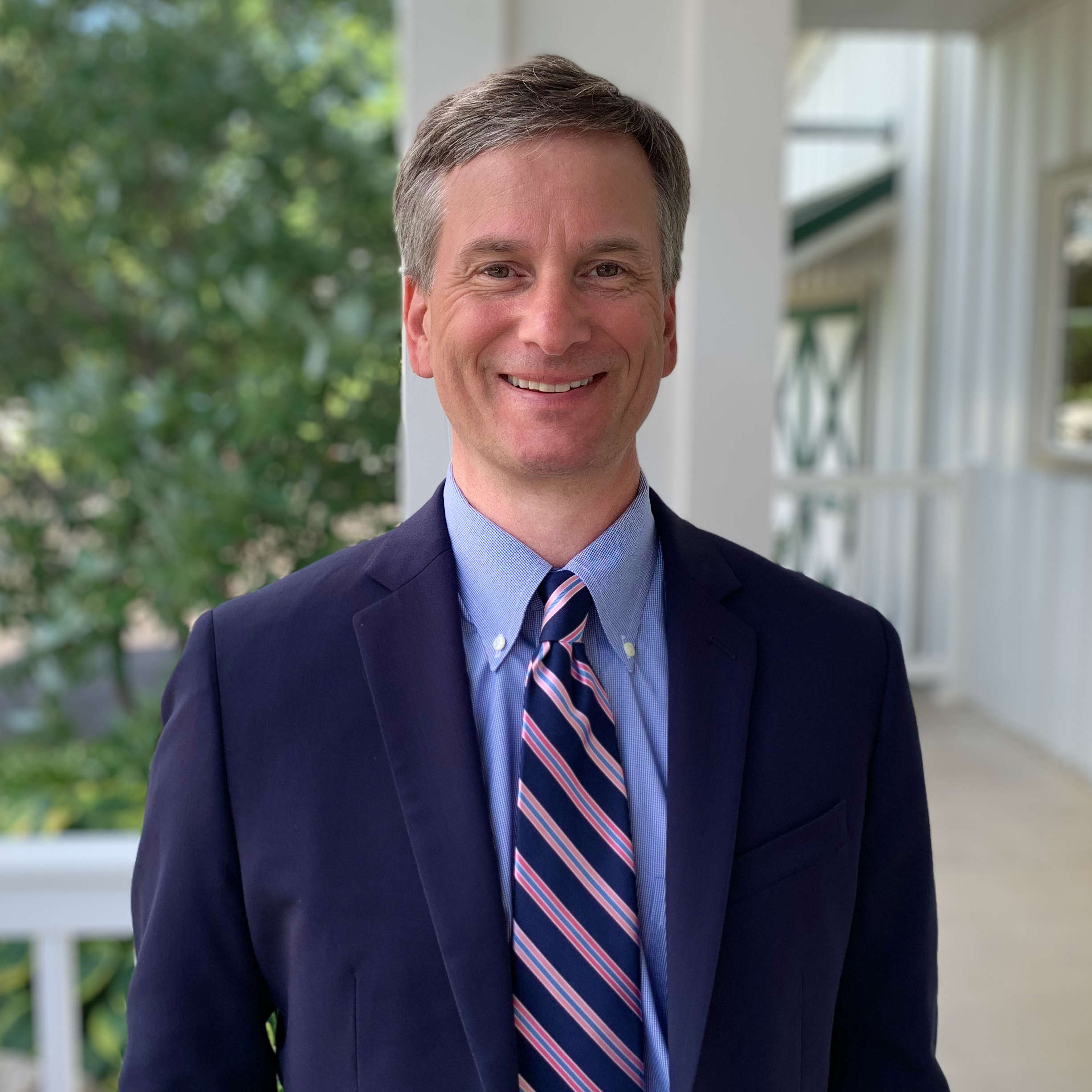 Joshua Wood, LPC is one of the Founders of Digital Nomad Exchange and serves as Co-President of Expat Exchange. Prior to Expat Exchange and Digital Nomad Exchange, Joshua worked for NBC Cable (MSNBC and CNBC
Primetime). Joshua has a BA from Syracuse and a Master's in Clinical and Counseling Psychology from Fairleigh Dickinson University. Mr. Wood is also a licensed counselor and psychotherapist.
Joshua Wood, LPC is one of the Founders of Digital Nomad Exchange and serves as Co-President of Expat Exchange. Prior to Expat Exchange and Digital Nomad Exchange, Joshua worked for NBC Cable (MSNBC and CNBC
Primetime). Joshua has a BA from Syracuse and a Master's in Clinical and Counseling Psychology from Fairleigh Dickinson University. Mr. Wood is also a licensed counselor and psychotherapist.
Some of Joshua's articles include Pros and Cons of Living in Portugal, 10 Best Places to Live in Ireland and Pros and Cons of Living in Uruguay. Connect with Joshua on LinkedIn.
With PassportCard, you'll never worry about paying your medical bills out of pocket again. Get up to 10% off on your policy now.
Get Quote
PassportCard Expat Health InsuranceWith PassportCard, you'll never worry about paying your medical bills out of pocket again. Get up to 10% off on your policy now.
Get Quote

 Ecuador Forum
Talk with other digital nomads and expats in Ecuador on our Ecuador forum - meet people, get advice and help others.
 Contribute
Help others in Ecuador by answering questions about the challenges and adventures of living in Ecuador.
 Healthcare & Health Insurance in Ecuador
Digital Nomads in Ecuador offer advice about healthcare, hospital visits, emergency rooms visits, finding a doctor and buying health insurance in Ecuador.
 Guide to Rentals & Real Estate in Ecuador
Advice for people renting and buying real estate in Ecuador.